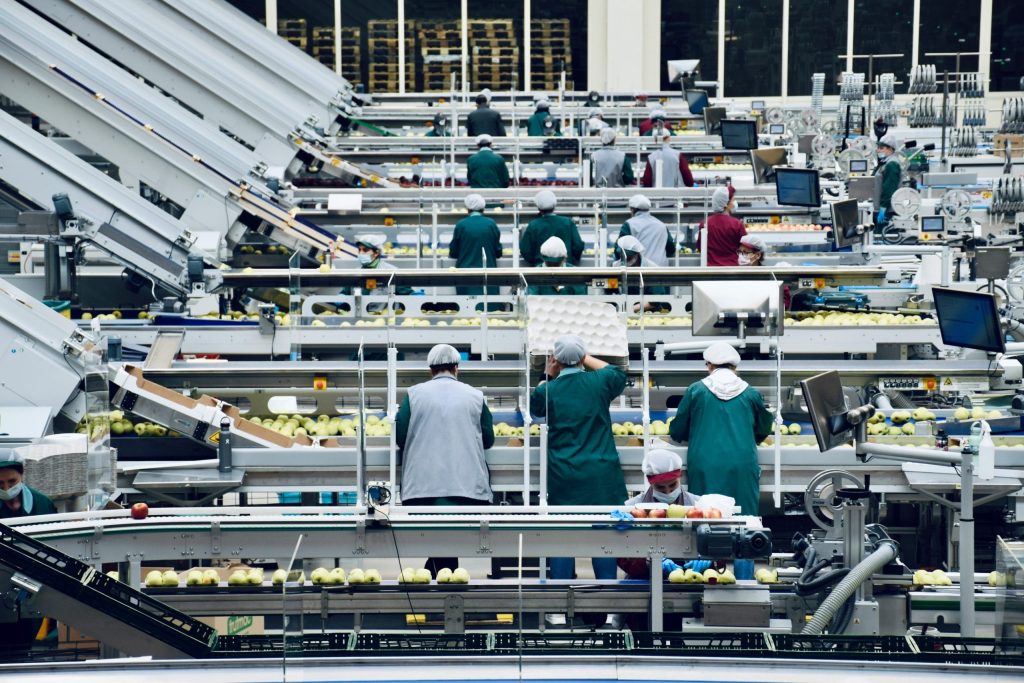

Vertical integration in food production refers to the consolidation of different stages of production under a single entity, from farming to processing and distribution. This strategy can significantly transform the industry by enhancing efficiency, reducing costs, and improving quality control. By controlling every aspect of the supply chain, companies can streamline operations, eliminate redundancies, and minimize waste, leading to more sustainable practices.
Furthermore, vertical integration enables better coordination between producers and distributors, ensuring fresher products reach consumers. This can enhance food safety and traceability, fostering consumer trust. Additionally, businesses can adapt more swiftly to market demands or changes in consumer preferences, allowing for innovative product development.
Overall, vertical integration not only drives profitability but also contributes to a more resilient food system, capable of responding to challenges, such as supply chain disruptions or climate change impacts. By fostering collaboration across all stages, vertical integration can lead to a more sustainable and productive food production landscape.
For more details and the full reference, visit the source link below: