
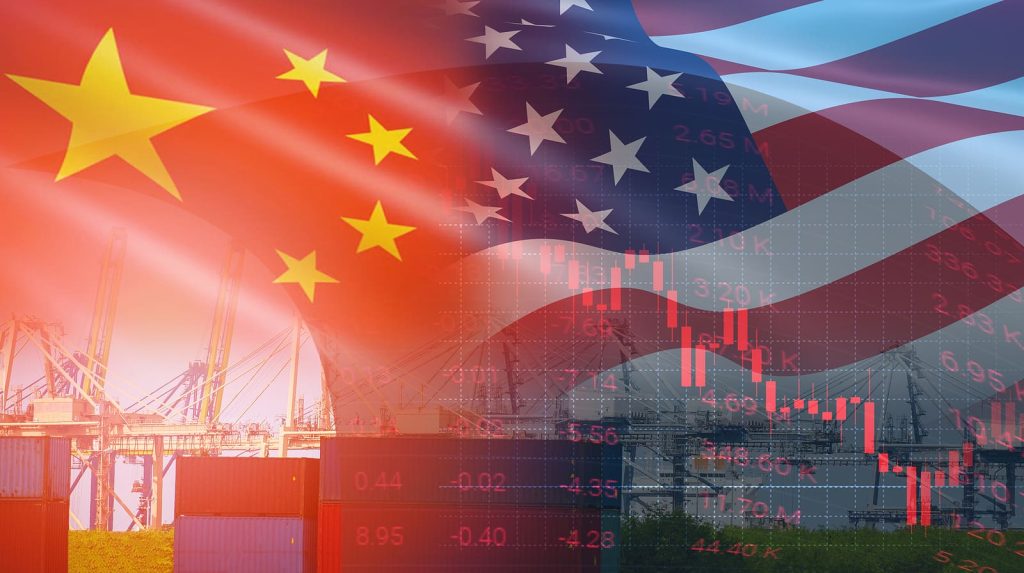

Donald Trump’s approach to China marked a significant shift in U.S. foreign policy, characterized by a confrontational stance that aimed to protect American interests. His administration launched an ambitious trade war, imposing tariffs on hundreds of billions of dollars in Chinese goods. This strategy was intended to address trade imbalances, intellectual property theft, and concerns over China’s economic practices.
Trump’s policies also included efforts to rally allies against China’s influence, emphasizing a more nationalist approach to global trade and security. The administration’s focus on strengthening supply chains and encouraging domestic manufacturing underscored a broader strategy to reduce dependency on China.
While some argue that Trump’s tough rhetoric and actions led to greater awareness of China’s global ambitions, critics suggest that the approach risked escalating tensions without achieving substantial reforms. The long-term effects of this strategy remain a topic of debate as the U.S. continues to grapple with its complex relationship with China in a rapidly evolving geopolitical landscape.
For more details and the full reference, visit the source link below: