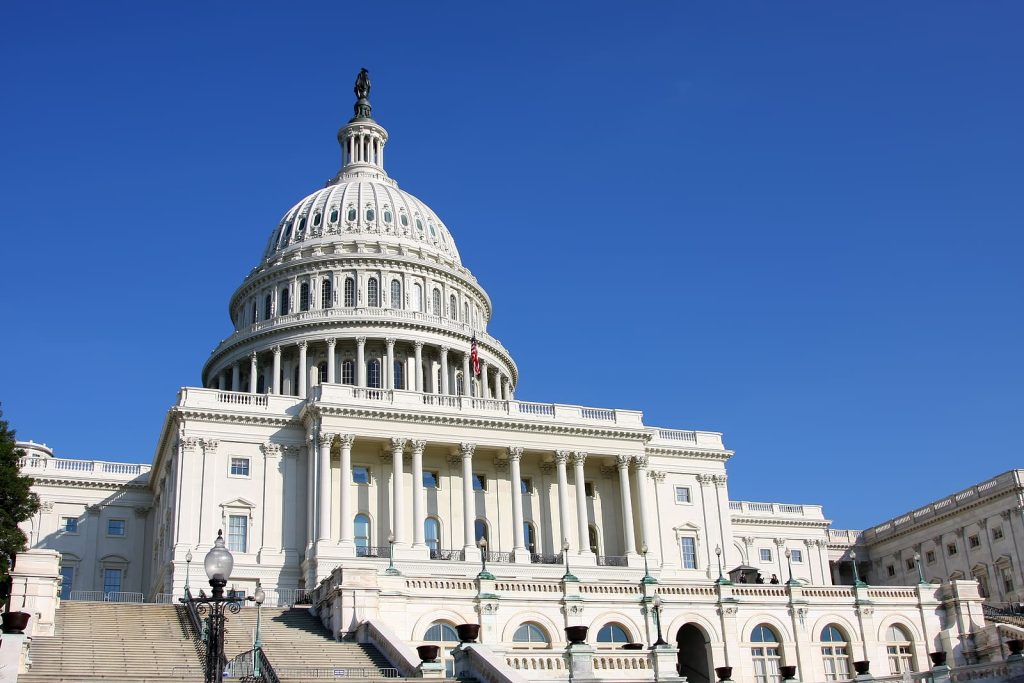

The recent Supreme Court ruling on tariffs has ignited a fresh trade showdown in Washington, reigniting debates over international trade policies. The court’s decision has significant implications for the ongoing tensions between the United States and various trading partners, particularly regarding the authority of the executive branch to impose tariffs without legislative approval. This ruling has drawn mixed reactions; while some businesses believe it will stabilize trade relations, others fear it could provoke retaliatory measures from affected countries.
Lawmakers are now grappling with the implications, as the ruling challenges established practices and may lead to calls for new legislation to redefine tariff powers. Advocates for free trade see this as a chance to enhance negotiations and reduce trade barriers, while protectionists view it as a potential overreach that could undermine domestic industries. As debates unfold, the ruling underscores the complexities of modern trade dynamics and the contentious balance between economic protectionism and global collaboration.
For more details and the full reference, visit the source link below: